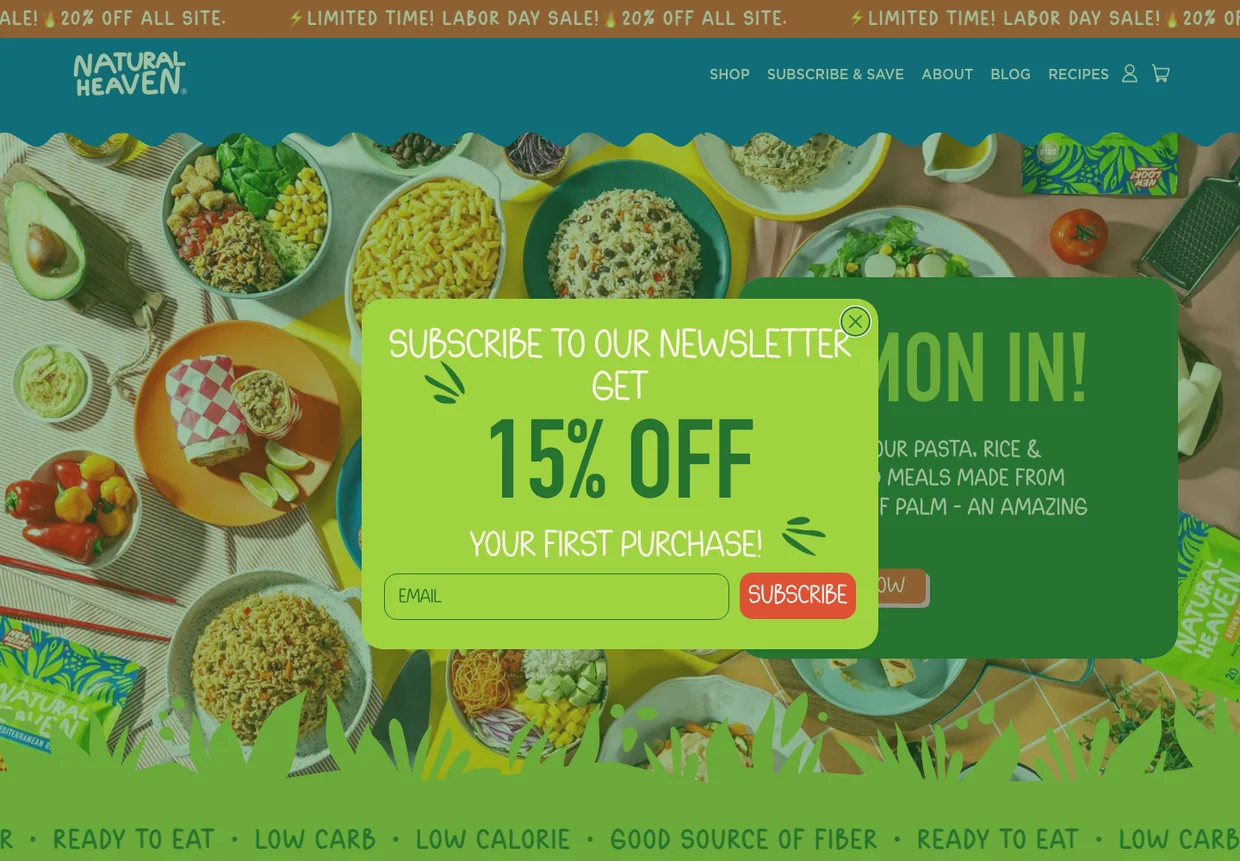
A shopper in Miami asks for hearts of palm by name and pays a dollar price for it — for a crop that used to leave Ecuador as a commodity in a tin. Natural Heaven is the brand definition, portfolio plan, U.S. marketing plan and marketplace presence I built as a consultant with the exporter behind it.
The consultancy covered the whole distance between a Santo Domingo processing plant and a U.S. shopping basket. Four workstreams, each one useless without the other three.
Positioning, identity and narrative for a U.S. consumer brand built on an Ecuadorian crop.
Connect the consumer brand to the export capacity behind it — turning commodity volume into branded product.
How the brand reaches an American household that has never heard of hearts of palm.
Listing and retail presence online, where a category like this is discovered before it is bought.
Any market-entry plan starts by looking honestly at who already owns the shelf. In hearts-of-palm pasta on the U.S. marketplace, that is Palmini — and the gap is not the product, it is the story around it.
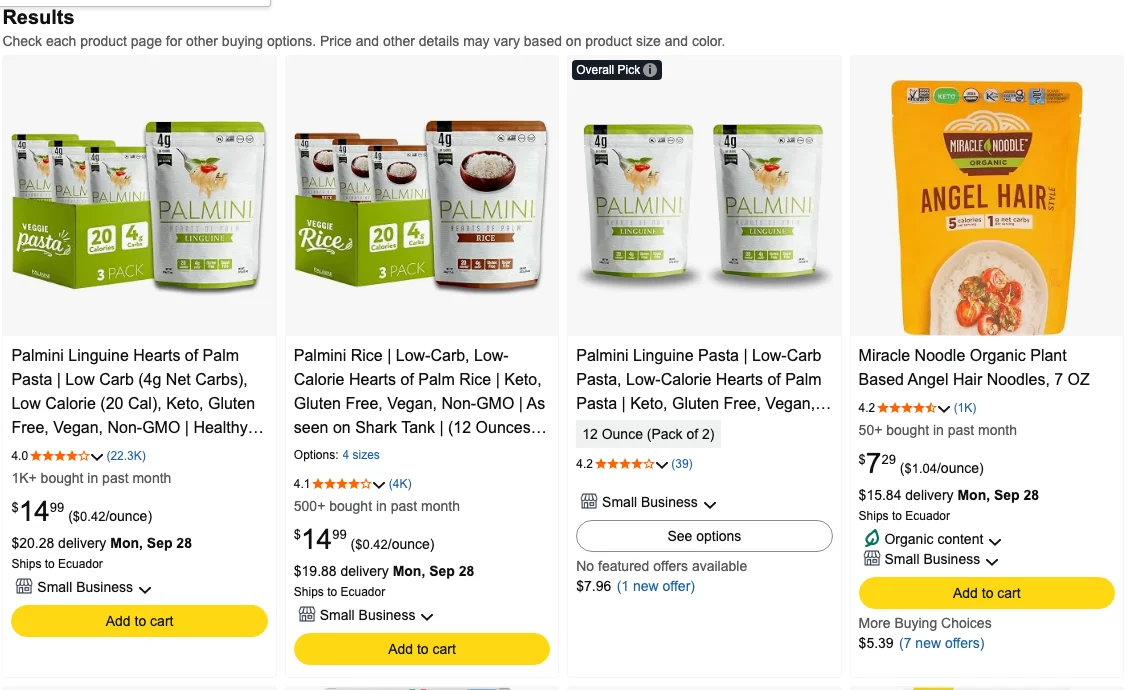
reviews on the category leader's flagship listing — social proof compounding for years
written into the product title itself: borrowed credibility doing the work of an ad budget
net carbs, printed on the pack corner — the category is sold on a number, not on origin
the second number. Whoever owns these two numbers owns the search result
The lesson I took from this benchmark is the one that shaped the brand work: in this category nobody is buying a vegetable, they are buying permission to eat pasta. The winning pack sells a carb count and a TV credential. Origin — the thing Ecuador actually owns — earns nothing on the shelf unless it is translated into that language first.
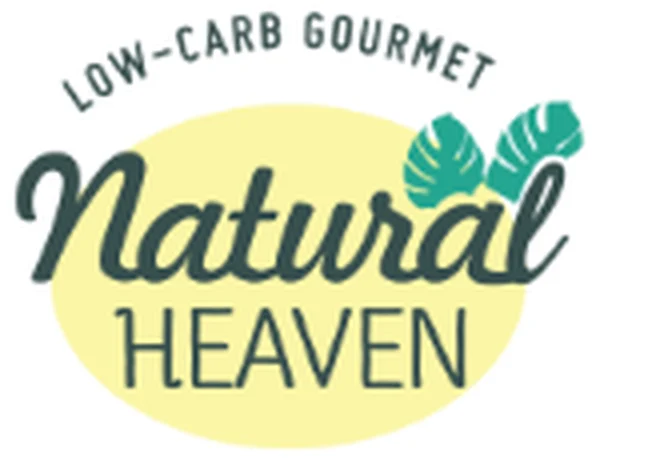
The identity the brand carries today came out of this consultancy. The two marks below are the before and the after — and the distance between them is a strategy, not a taste preference.
The artwork was executed by an agency, which is how brand direction works at corporate scale and is worth saying plainly: my job was the brief, the positioning it had to express and the decisions it had to survive. A director who cannot tell the difference between setting the brief and drawing the logo is not much use at either.
"Low-carb gourmet" put two positioning claims in the logo. Gourmet caps your distribution; low-carb belongs on the pack front where the number lives, not in the mark.
An oval is a shape competing with your packaging. Removing it lets the name work on any background, in any format, at any size.
Script reads as craft and disappears at 60 pixels. Rounded capitals read as food and survive the thumbnail — which is where this category is actually chosen.
The test of a brand foundation is not how the launch deck looked. It is whether the thing is still standing years later, run by other people, selling more than it did.
The portfolio plan built with INAEXPO was about giving the crop more than one destination. The range on the site today is that plan, three years on.
A repeat-purchase mechanic on the brand's own property — the cheapest revenue in consumer goods.
"Ready to eat · low carb · low calorie · good source of fibre." The category language the benchmark predicted, now owned rather than borrowed.
None of the brand work matters without the supply chain underneath, which is why the portfolio plan was written with INAEXPO rather than for it.
of the world's cultivated hearts-of-palm market held by INAEXPO — the global leader
countries served, across Europe, North America, Africa and Australia
hearts of palm consumed worldwide is Ecuadorian
of production exported — an operation built entirely around leaving the country
That last number is the strategic point. An operation that exports virtually everything it makes has enormous volume and almost no relationship with the person who eats the product. A consumer brand is how a commodity exporter finally gets to meet its customer — and charge for it.
Commodity export sells volume at a price somebody else sets. A branded product on a U.S. shelf sells a promise at a price you set, and it compounds: reviews, subscribers, a range that widens, a shopper who asks for it by name.
This is the piece of my record I would point at first when the question is whether marketing can move a P&L rather than decorate one. It is also the clearest evidence of the thing I care about most — a brand built on foundations solid enough to keep working after the person who built them has moved on.
Positioning, identity and narrative written for the shopper who will compare you.
A portfolio plan, a marketing plan and a listing that give it a reason to be chosen.
The margin sits with whoever owns the shelf.